Revolutionizing Production with Advanced Compression Molding Techniques
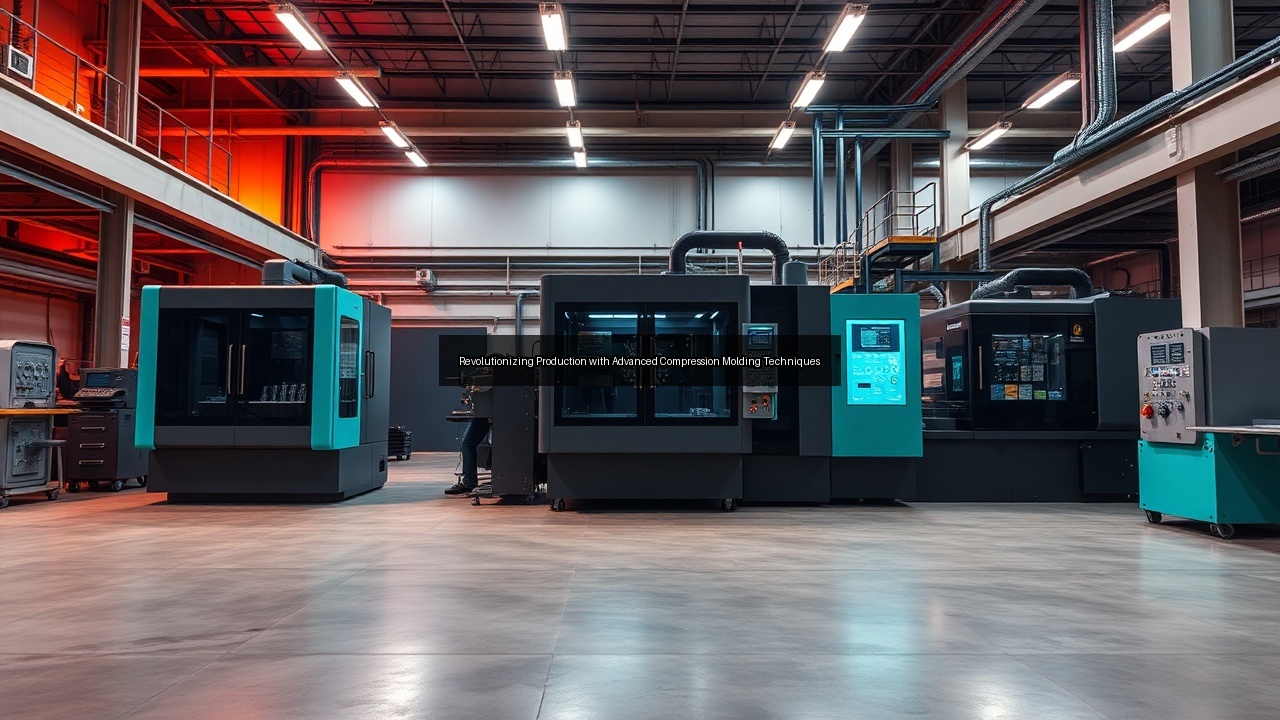
Understanding Compression Molding Techniques
What is Compression Molding?
Compression molding forms precise components by placing a measured charge of material into an open mold cavity before closing it under heat and pressure. Manufacturers apply this method to thermoset resins, thermoplastics, and composites that require high strength and dimensional stability. The process delivers uniform density and excellent surface finish without the need for runners or gates common in other techniques. Engineers select compression molding when parts must withstand extreme environments such as automotive under-hood applications or electrical insulators. Modern facilities integrate sensors that monitor cavity pressure in real time, allowing operators to adjust parameters instantly for consistent output. Companies that offer compression molding services often combine this method with secondary operations like machining and assembly to deliver complete solutions. This versatility supports everything from small prototypes to high-volume runs while maintaining tight tolerances and minimizing material waste.
The Compression Molding Process Explained
The compression molding process begins with material preparation, where operators weigh and preheat charges to ensure proper flow. They load the charge into the lower mold half, close the press, and apply pressure ranging from 100 to 2000 psi depending on the resin. Heat activates the curing reaction in thermosets or softens thermoplastics for shaping. Cycle times vary from 30 seconds for thin parts to several minutes for thick sections. After curing, the press opens and ejector pins release the finished component. Advanced systems use servo-driven presses that control both pressure and position with micron accuracy. This precision reduces flash and improves repeatability across thousands of cycles. Facilities providing compression molding services routinely validate each batch through dimensional checks and mechanical testing to meet customer specifications.
Key Differences: Compression Molding vs. Injection Molding
Compression molding differs from injection molding primarily in material handling and flow path. Injection molding forces molten plastic through runners into closed cavities at high velocity, while compression molding places the charge directly in the open mold before closure. This direct placement reduces shear stress on fibers in composite materials, preserving mechanical properties. Compression molding also handles higher filler loadings without degrading viscosity. Injection molding excels at complex geometries and high production speeds, yet compression molding often costs less for large, flat parts because molds require fewer moving components. Manufacturers choose compression molding services when parts need thick walls or when material cost savings outweigh cycle time differences. Many suppliers now combine both processes under one roof to match each project with the optimal technique.
Applications of Compression Molding
Industries Utilizing Compression Molding
Automotive suppliers rely on compression molding for brake pads, clutch facings, and underbody shields that demand heat resistance and structural integrity. Aerospace firms use the process to produce interior panels and radomes from carbon-fiber composites. Electrical manufacturers create insulators, switchgear housings, and circuit breaker components that require dielectric strength. Appliance makers form washing machine tubs and oven handles that endure daily thermal cycling. Medical device companies mold surgical instrument trays and imaging equipment enclosures from biocompatible resins. These industries turn to specialized compression molding services because the process accommodates large part sizes and delivers consistent quality at scale.
Common Products Made with Compression Molding
Everyday items produced through compression molding include rubber gaskets, silicone bakeware, and fiberglass shower bases. Industrial applications feature conveyor rollers, pump impellers, and valve seats molded from filled phenolics. Consumer electronics benefit from compression molded laptop cases and phone casings that combine thin walls with impact resistance. Furniture hardware such as drawer pulls and chair bases often start as compression molded blanks before final machining. The process supports decorative textures and in-mold color integration, eliminating secondary painting steps. Suppliers of compression molding services maintain extensive mold libraries that help customers accelerate time-to-market for these varied products.
Innovative Uses of Compression Molded Components
Recent innovations include compression molded battery enclosures for electric vehicles that integrate cooling channels directly into the structure. Wind turbine manufacturers produce large blade root inserts using the process to achieve both stiffness and fatigue resistance. Architects specify compression molded facade panels that replicate stone or wood finishes while providing superior weatherability. Sports equipment brands create lightweight helmet liners and bicycle frames from advanced composites. Researchers continue to explore bio-based resins that cure under compression molding conditions, opening doors to sustainable packaging and construction materials. Forward-thinking compression molding services invest in these emerging applications to stay ahead of market demands.
Advancements in Compression Molding Technology
Modern Compression Molding Machines
Contemporary compression molding machines feature closed-loop control systems that maintain exact temperature profiles across multiple zones. Hydraulic and electric hybrid presses deliver faster response times and lower energy consumption than older all-hydraulic models. Automated material loading robots place charges with millimeter repeatability, reducing operator variability. Some machines incorporate vacuum chambers that evacuate air before full closure, virtually eliminating voids in thick laminates. Data logging capabilities allow engineers to trace every cycle parameter for traceability and continuous improvement. Providers of compression molding services upgrade their equipment fleets regularly to handle next-generation materials and tighter tolerance requirements.
Improving Design and Reliability in Compression Molding
Design teams now use finite element analysis to predict fiber orientation and residual stresses before cutting steel. Simulation software optimizes charge placement and mold geometry to shorten development cycles. Reliability improves through in-mold sensors that detect pressure drops indicating incomplete fill or premature curing. Post-mold inspection employs coordinate measuring machines and CT scanning to verify internal features without destructive testing. These advances allow compression molding to compete with injection molding on precision while retaining advantages in material versatility. Compression molding services that adopt digital twin technology can simulate entire production runs and identify potential failures before they reach the customer.
The Role of Pressure in Enhanced Compression Molding Processes
Precise pressure control determines part density, surface quality, and mechanical performance. Low pressure during initial closure allows trapped air to escape, while ramped pressure during cure prevents resin starvation in high-flow areas. Variable pressure profiles tailored to each material reduce cycle times without sacrificing strength. High-pressure final stages improve knit-line integrity in multi-charge parts. Advanced presses monitor tonnage distribution across the platen to correct for deflection. Compression molding services document these pressure settings in process sheets so every production run matches the validated parameters exactly.
Choosing a Compression Molding Service
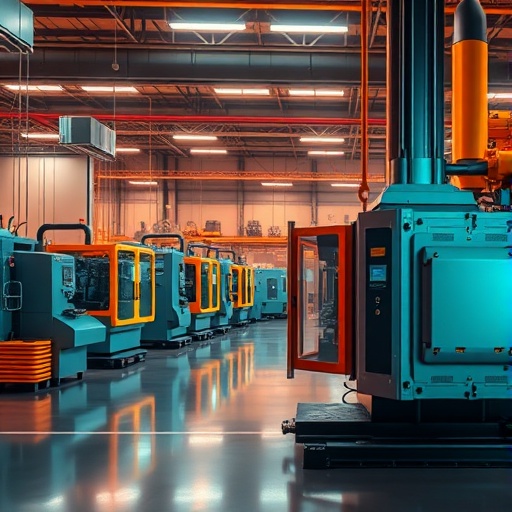
Evaluating Compression Molding Companies
Buyers assess compression molding companies by reviewing their equipment list, material certifications, and quality management systems. Site visits reveal housekeeping standards and operator training levels that directly affect output consistency. References from similar industries provide insight into on-time delivery and problem-solving ability. Companies that maintain in-house tooling departments can respond faster to design changes. Prospective customers should request sample parts that match their specifications to evaluate surface finish and dimensional accuracy firsthand.
Factors to Consider When Selecting Compression Molding Suppliers
Material expertise ranks high when choosing compression molding suppliers, especially for exotic resins or high-fiber-content compounds. Capacity planning ensures the supplier can scale from prototype quantities to full production without quality loss. Geographic location affects shipping costs and lead times for large components. Intellectual property protections and nondisclosure agreements safeguard proprietary designs. Pricing structures that separate tooling, setup, and per-piece costs allow accurate total cost comparisons. Reliable compression molding suppliers also offer design-for-manufacturability feedback that reduces per-part expenses over the product lifecycle.
Understanding Specifications and Quality Assurance in Compression Molding Services
Clear specifications cover material grade, color match, mechanical properties, and cosmetic standards. Quality assurance programs include first-article inspection, statistical process control, and lot traceability. Compression molding services that hold IATF 16949 or ISO 13485 certifications demonstrate commitment to automotive and medical rigor. Customers should verify that suppliers calibrate presses and measuring equipment regularly and retain records for the required retention period. When specifications include pressure, temperature, and cycle time targets, the service provider must prove capability through capability studies before production begins.
See Also
- What to Look for in Compression Molding Suppliers for Optimal Results
- Unlocking the Secrets of Compression Molding Services for Innovative Product Design
- Choosing the Right Compression Molding Company for Your Manufacturing Needs
- The Future of Compression Molding Services in Sustainable Manufacturing
- Top Compression Molding Applications Transforming Everyday Products