Innovative Ceramic Solutions for MIG and TIG Welding
Understanding Ceramic Backing in Welding
What is Ceramic Backing?
Ceramic backing refers to the use of ceramic materials positioned behind welds to improve the quality and durability of the weld joint. These backings serve multiple purposes, such as providing heat resistance and preventing excessive spatter during the welding process. The ceramic acts as a barrier, reflecting heat back into the weld pool, which aids in achieving optimal fusion between the base metals. This feature is especially crucial for welders working with materials like aluminum, where precision and control over heat input significantly impact the final weld quality. Moreover, the use of ceramics enhances the overall efficiency of the welding process, allowing for cleaner and more consistent results.
The Role of Ceramic Materials in Welding
Ceramic materials play a vital role in modern welding techniques, particularly in MIG (GMAW) and TIG welding. Their inherent properties—such as high thermal resistance, durability, and chemical stability—make ceramics an ideal choice for backing materials. When welders apply heat during the welding process, the ceramic backing maintains its structural integrity, preventing distortion or damage that could compromise the weld. Additionally, ceramics can withstand the harsh conditions of welding environments, offering reliable support throughout the welding operation. The adaptability of ceramic materials allows them to be engineered for specific welding applications, enhancing their effectiveness in various metal types and welding geometries.
Benefits of Using Ceramic Backing for Welds
Utilizing ceramic backing for welds provides numerous benefits that can significantly improve the welding process. First, ceramic backings enhance the quality of the weld by promoting better fusion and minimizing defects such as undercutting and porosity. This leads to stronger, more durable welds, which is particularly important in industries like marine and automotive, where structural integrity is paramount. Second, ceramic backings reduce the amount of post-weld cleanup required, as they help contain spatter and slag. This efficiency saves time and resources for welders, allowing them to focus on producing high-quality welds rather than extensive cleanup. Lastly, the heat-reflective properties of ceramics contribute to energy savings by optimizing the heat input required during welding.
Applications of Ceramic Backing in MIG and TIG Welding
Ceramic Backing in MIG Welding (GMAW)
Ceramic backing finds extensive application in MIG welding, also known as Gas Metal Arc Welding (GMAW). In this process, welders often face challenges related to heat control and spatter management. Ceramic backings provide a solution by reflecting heat back into the weld pool, facilitating better penetration and fusion of the weld metal. This is particularly beneficial when working with thicker materials, as the added heat helps achieve the desired joint strength. Additionally, using ceramic backing reduces spatter, which can lead to a cleaner working environment and less time spent on post-weld cleanup. The combination of these advantages makes ceramic backings a preferred choice for many MIG welding applications, especially in industries like shipbuilding and construction.
Ceramic Solutions for TIG Welding
TIG welding, or Tungsten Inert Gas welding, also benefits significantly from the incorporation of ceramic backings. This welding method requires precision and control, making the characteristics of ceramics particularly advantageous. The heat resistance of ceramic materials allows TIG welders to maintain consistent arc stability, crucial for producing high-quality welds on thin materials. Furthermore, ceramic backings assist in managing heat distortion, which is vital when working with materials that are sensitive to thermal expansion. The ability of ceramics to contain the weld pool enhances the welder's control, allowing for intricate bead geometry and reduced risk of defects. In high-stakes applications such as aerospace and medical device manufacturing, the reliability of ceramic solutions in TIG welding is invaluable.
Comparative Analysis: MIG vs. TIG with Ceramic Backings
When comparing MIG and TIG welding, both benefit from ceramic backings, but the applications differ in terms of technique and results. MIG welding is typically faster and more suited for thicker materials, where ceramic backings improve heat management and reduce spatter. TIG welding, on the other hand, excels in precision and control, especially with thinner materials. Here, ceramic backings support arc stability and minimize distortion. Both methods leverage the advantages of ceramics, yet the choice between them often depends on the specific project requirements and the material being welded. Understanding these differences helps welders make informed decisions about which welding method and ceramic backing material to utilize for optimal results.
Innovations and Advancements in Ceramic Welding Technology
Emerging Ceramic Backing Materials
The field of welding technology continually evolves, and emerging ceramic backing materials are at the forefront of these advancements. Manufacturers are developing innovative ceramic composites that enhance performance while reducing weight. These new materials offer improved thermal resistance and durability, allowing for even higher quality welds. Additionally, advancements in material science enable the creation of ceramics that bond more effectively with adhesives used for attaching backings to workpieces. This increase in adhesion strength ensures that the backing stays in place during the welding process, further enhancing the integrity of the weld. Welders can expect to see an array of options tailored to specific applications, expanding the usability of ceramic backings across various industries.
Automation in Welding with Ceramic Solutions
The rise of automation in welding processes has opened up new avenues for the integration of ceramic backing solutions. Automated welding systems can precisely control heat input and welding speed, maximizing the benefits of ceramic backings. This synergy between automation and ceramics leads to greater consistency and quality in welds. Robotics equipped with advanced sensors can adjust parameters in real-time, ensuring optimal performance while utilizing ceramic backings. The ability to automate welding tasks not only increases productivity but also reduces the potential for human error. As industries seek to streamline operations, the combination of automated systems and innovative ceramic solutions will become increasingly prevalent.
The Future of Welding: Integrating Laser and Plasma Cutting with Ceramic Technology
The future of welding looks promising with the integration of laser and plasma cutting technologies alongside ceramic solutions. These cutting-edge methods offer unparalleled precision and efficiency, while ceramic backings enhance the overall welding quality. The ability to use lasers for cutting and welding allows for intricate designs and superior joint quality, particularly in thin materials. When combined with ceramic backings, these technologies provide welders with enhanced control over heat distribution, minimizing distortion and maximizing the strength of the welds. As industries continue to seek improvements in efficiency and quality, the fusion of laser and plasma cutting with ceramic technology represents a significant advancement in welding practices.
Choosing the Right Ceramic Backing Material
Factors to Consider When Selecting Ceramic Backing
Selecting the right ceramic backing material requires careful consideration of several factors. First, assess the type of welding being performed, whether MIG or TIG. Each process may benefit from different ceramic properties, such as thermal resistance and adhesion strength. Next, consider the materials being welded; for example, aluminum may require a different backing material than steel. Additionally, the geometry of the weld joint plays a crucial role in determining the appropriate ceramic backing. Factors such as joint design, thickness, and the required weld profile should guide your selection. Finally, evaluate the operational environment, as exposure to extreme conditions may necessitate specialized ceramic materials designed for durability and performance under stress.
Top Manufacturers: Gullco International and Voestalpine
When looking for high-quality ceramic backing materials, two notable manufacturers stand out: Gullco International and Voestalpine. Gullco International offers a range of innovative welding products, including advanced ceramic backings designed for various welding applications. Their solutions emphasize durability and ease of use, catering to the needs of modern welders. Voestalpine, on the other hand, specializes in high-performance welding materials and technologies, providing ceramic backings that meet stringent industry standards. Both manufacturers focus on research and development, ensuring that their products incorporate the latest advancements in ceramic technology. Choosing products from reputable manufacturers like Gullco and Voestalpine guarantees welders access to reliable and effective ceramic backing materials.
Protective Gear and Equipment for Welders
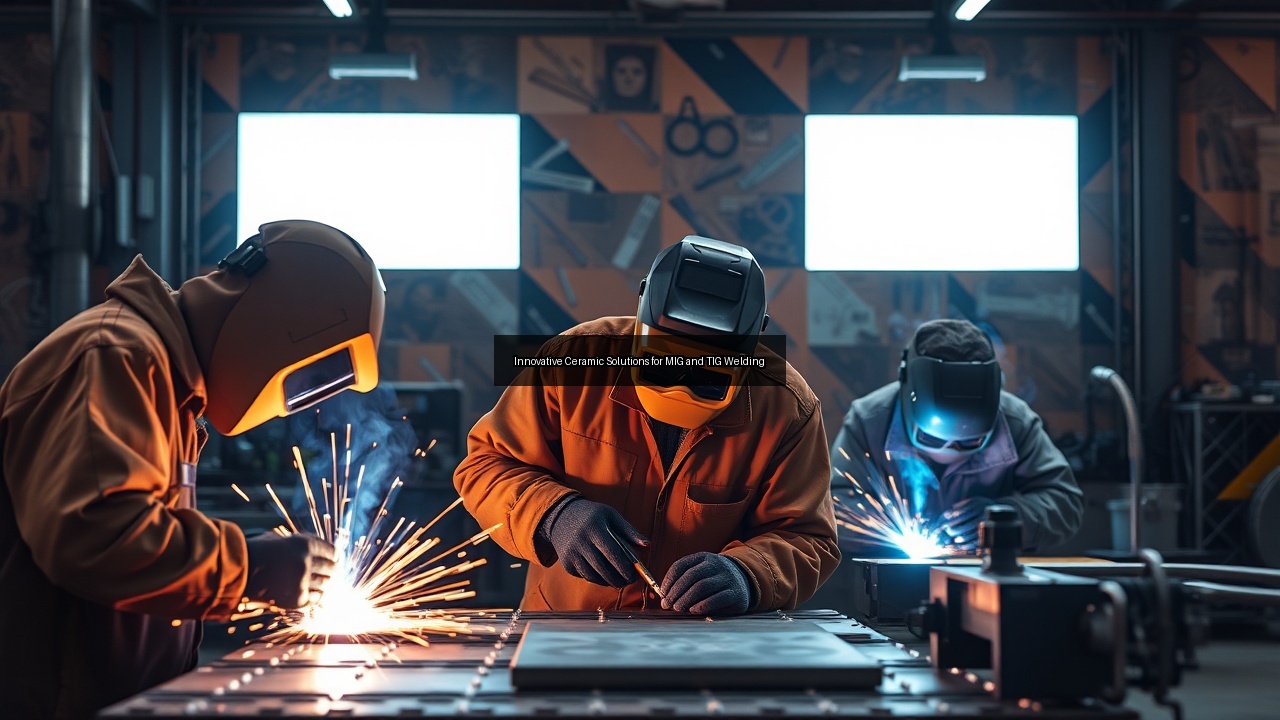
Welders must prioritize safety and protection while working, especially when using ceramic backing materials. Protective gear, such as welding helmets, gloves, and flame-resistant clothing, plays a critical role in safeguarding against hazards like sparks, heat, and harmful fumes. Quality welding helmets equipped with proper filters protect the eyes and face from intense light and UV radiation. Additionally, using protective gloves that offer dexterity and heat resistance ensures that welders can handle materials safely. As technologies evolve, welders should also consider integrating advanced protective equipment that enhances comfort and functionality while working with ceramic solutions. Investing in high-quality protective gear and equipment is essential for maintaining safety and efficiency in the welding environment.