Grease vs Oil which Lubricant is Best for Your Industrial Needs
Understanding Industrial Lubrication
The Role of Lubricants in Reducing Friction
Lubricants play a crucial role in industrial settings by minimizing friction between moving parts. Friction causes wear and tear, leading to equipment failure and increased maintenance costs. By introducing a lubricant, industries can reduce this friction, prolonging the lifespan of machinery and enhancing operational efficiency. Effective lubrication enables smoother motion, reducing the amount of energy required for processes. This efficiency translates into significant cost savings over time. Whether through grease or oil, proper lubrication creates a protective barrier that resists the heat generated by friction, ultimately improving the reliability and performance of industrial equipment.
Types of Industrial Lubricants
Industrial lubricants come in various forms, primarily categorized into oils and greases. Oils are fluid lubricants that flow easily, providing excellent lubrication for high-speed applications. They are often used in systems where parts move quickly and with high temperatures. Greases, on the other hand, are semi-solid lubricants that combine oil with a thickening agent, allowing them to stay in place longer. This characteristic makes greases ideal for applications where lubrication retention is essential, such as in bearings and gears. Other types of lubricants include synthetic lubricants, which offer tailored properties for specific applications, and biodegradable lubricants, designed to reduce environmental impact.
Key Properties of Effective Lubricants
Effective lubricants possess several key properties that determine their suitability for specific applications. Viscosity is paramount, affecting how well the lubricant flows and adheres to surfaces. High viscosity lubricants resist thinning under heat, making them suitable for high-load applications. Additionally, lubricants must exhibit stability, resisting breakdown over time and under varying temperatures. The ability to repel contaminants, such as soil and moisture, is also essential in maintaining their effectiveness. Finally, compatibility with materials is critical; a lubricant should not react negatively with the components it contacts. Understanding these properties aids in selecting the right lubricant for various industrial needs.
Grease vs Oil: A Comparative Analysis
Composition and Consistency of Grease and Oil
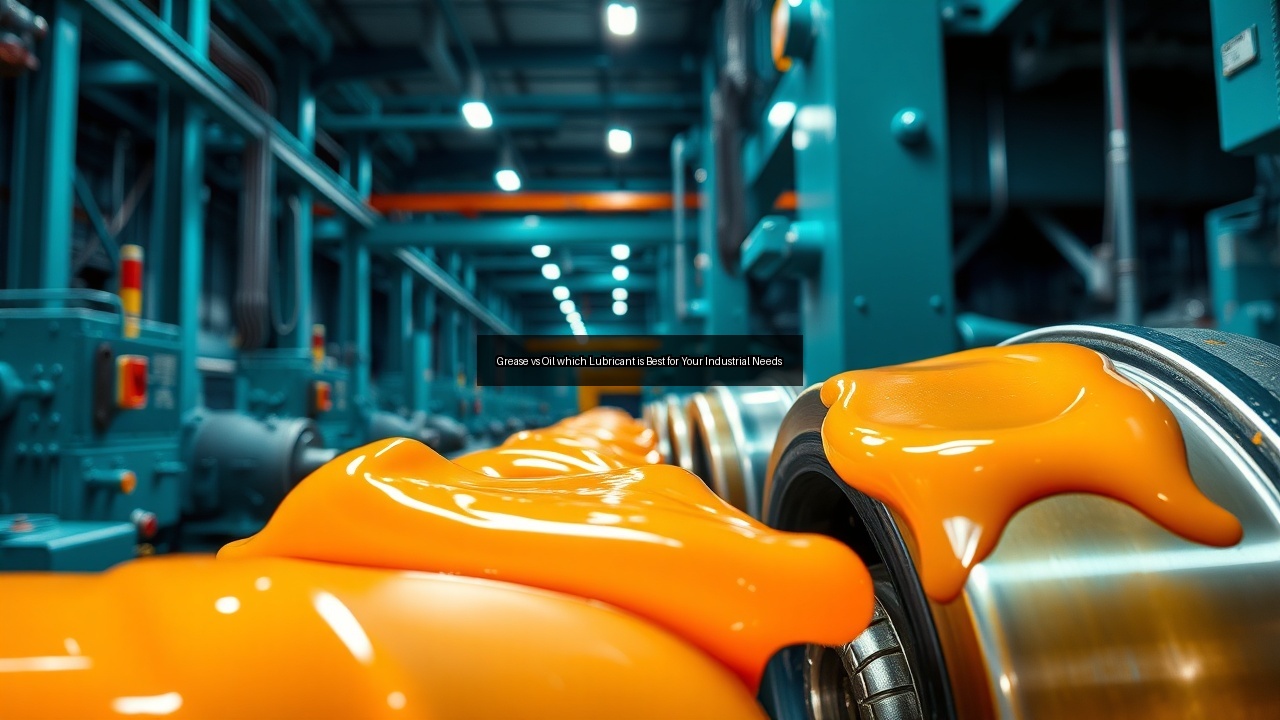
Grease and oil differ significantly in composition and consistency, affecting their application in industrial settings. Grease typically comprises a base oil combined with a thickening agent, such as lithium or calcium soap. industrial grease This unique combination results in a semi-solid structure that allows grease to stay in place, even under high pressure. The thickening agent also provides a certain degree of water resistance. Conversely, oil is a liquid lubricant that flows freely, allowing it to penetrate easily into tight spaces. While oil can provide superior cooling and cleaning benefits, its ability to stay in place is limited compared to grease. Therefore, the choice between grease and oil often hinges on the specific requirements of the application.
Application Scenarios for Grease and Oil
Different industrial scenarios dictate whether grease or oil is the better choice for lubrication. Grease is frequently employed in applications requiring long-lasting lubrication, such as bearings, gears, and joints. Its ability to adhere to surfaces reduces the frequency of reapplication, making it ideal for high-load, low-speed environments. In contrast, oil shines in high-speed applications, such as engines and turbines, where rapid movement generates heat. Oil's fluid nature allows it to circulate easily, providing effective cooling and cleaning. Each lubricant has its niche, and understanding these scenarios helps industries optimize their lubrication strategies.
Advantages and Disadvantages of Grease and Oil
Both grease and oil come with distinct advantages and disadvantages. Grease offers superior adhesion, preventing leaks and providing long-lasting protection in static applications. Its thick consistency can also help seal out contaminants like dirt and water. However, grease can be less effective in high-speed applications due to its resistance to flow. On the other hand, oil provides excellent heat dissipation and is easier to apply in dynamic situations. It can, however, lead to increased consumption and potential leakage issues. Understanding these pros and cons allows manufacturers to make informed decisions about which lubricant best serves their operational needs.
Choosing the Right Lubricant for Your Needs
Factors to Consider in Lubricant Selection
Selecting the right lubricant involves considering various factors, including the operating environment, load conditions, and temperature ranges. For instance, machinery exposed to extreme temperatures may require specialized lubricants designed to maintain their effectiveness under such conditions. Additionally, the speed of moving parts significantly influences lubricant choice. High-speed applications often favor oils due to their low viscosity, while slower, heavier machinery may benefit from the long-lasting properties of greases. Manufacturers must also account for the compatibility of the lubricant with existing materials to prevent adverse chemical reactions. Overall, a thorough understanding of these factors streamlines the selection process, ensuring optimal performance and longevity of equipment.
Common Industrial Applications for Greases and Oils
Greases and oils serve various industrial applications, each tailored to specific needs. In automotive industries, grease lubricates wheel bearings and chassis components, ensuring smooth operation and durability. Manufacturing plants often utilize oils for machine tools and conveyor systems, benefiting from their cooling and cleaning properties. In the food processing sector, specialized food-grade greases and oils are essential for ensuring safety and compliance with health regulations. The construction industry also relies on lubricants for heavy machinery, where both grease and oil serve critical functions in maintaining equipment efficiency. Understanding these applications helps industries select the most effective lubricants for their unique requirements.
Understanding Manufacturer Specifications and Recommendations
Manufacturers provide detailed specifications and recommendations to guide lubricant selection. These documents outline the required viscosity, performance standards, and compatibility with materials, ensuring that users select the right product for their machinery. Following these recommendations is crucial for maintaining warranties and avoiding potential damage. Additionally, manufacturers often conduct extensive testing to validate their products under specific conditions, offering valuable insights into performance. Keeping abreast of these specifications allows industries to make informed decisions, ultimately enhancing machinery lifespan and operational efficiency.
Best Practices for Industrial Lubrication
Maintenance Tips for Grease and Oil Systems
Regular maintenance of lubrication systems ensures optimal performance and extends the lifespan of industrial equipment. For grease systems, it's essential to monitor the quantity and consistency of grease, replacing it when necessary to prevent dry running. Users should also inspect fittings and seals to avoid contamination. In oil systems, maintaining proper oil levels and monitoring for contamination is crucial. Regularly replacing oil filters and conducting oil analysis can identify potential issues before they escalate. Implementing these maintenance practices minimizes downtime and enhances the reliability of machinery in industrial operations.
The Importance of Regular Lubrication Audits
Conducting regular lubrication audits significantly improves industrial operations. These audits evaluate the effectiveness of current lubrication practices, identifying areas for enhancement. By analyzing lubricant performance, usage patterns, and application frequency, organizations can optimize their lubrication strategies. Audits also help in tracking compliance with manufacturer specifications and safety regulations. Regular evaluations can uncover inefficiencies, leading to cost savings and improved machinery performance. Establishing a routine for lubrication audits instills a culture of proactive maintenance, ultimately enhancing productivity across the board.
Innovations in Lubrication Technologies
Recent innovations in lubrication technologies are transforming the industrial landscape. Advanced synthetic lubricants offer superior performance in extreme conditions, reducing friction and wear while maximizing efficiency. Smart lubrication systems equipped with sensors and IoT (Internet of Things) technology enable real-time monitoring of lubricant conditions, ensuring timely maintenance and reducing unnecessary downtime. These systems can automatically dispense the right amount of lubricant based on operational needs, optimizing usage and minimizing waste. Embracing these innovations allows industries to enhance their lubrication practices, leading to improved performance and significant cost savings in the long run.
See Also
- The Role of Greasing in Preventing Equipment Breakdown
- The Science Behind Industrial Greases and Their Role in Reducing Friction
- Demystifying the Different Types of Industrial Lubrication Greases
- Unlocking the Power of Industrial Lubrication Grease for Optimal Machinery Performance
- How Soil and Contaminants Affect the Efficiency of Lubricating Grease