Cooling Towers and Hazardous Location Motors: A Perfect Match
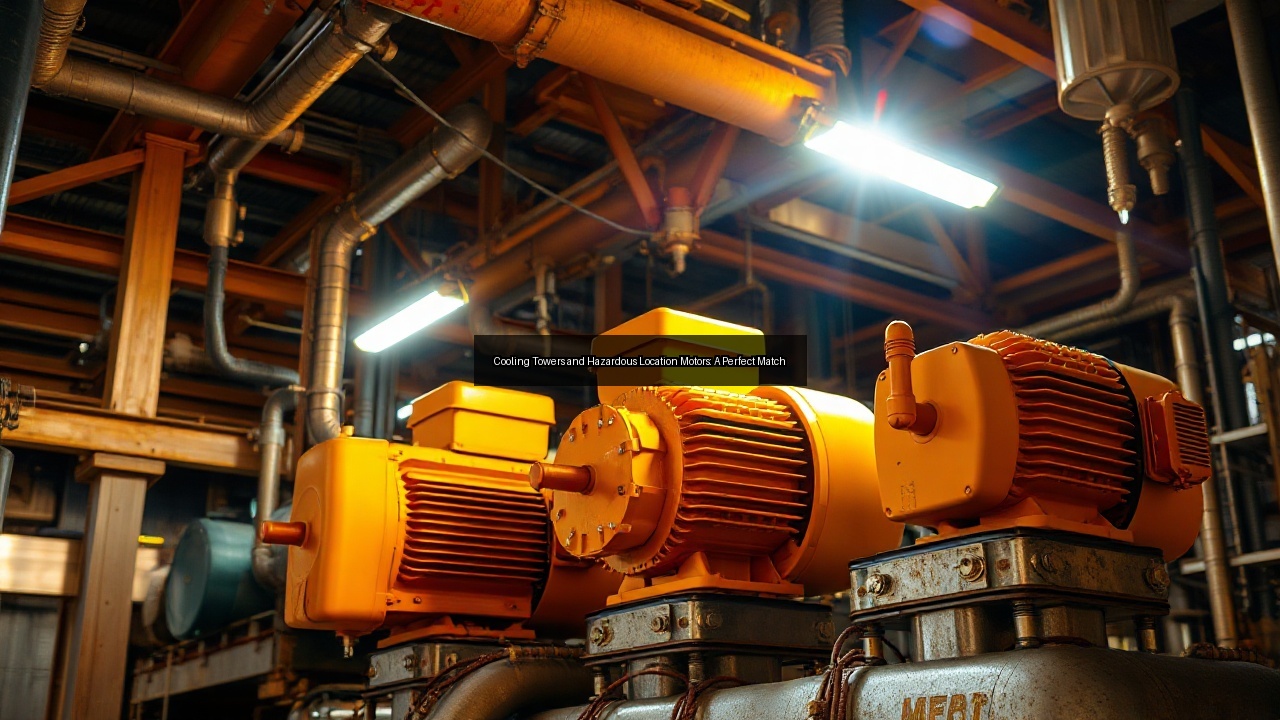
Understanding Hazardous Location Motors
What Are Hazardous Location Motors?
Hazardous location motors are specialized electric motors designed to operate safely in environments where flammable gases, vapors, or combustible dusts may be present. These motors minimize the risk of ignition, thus ensuring the safety of personnel and equipment in industries such as oil and gas, chemical processing, and pulp and paper. The construction of hazardous location motors includes robust materials that can withstand harsh conditions, as well as features that limit heat generation and prevent sparks. Their design adheres to stringent safety standards set forth by organizations like the National Electrical Manufacturers Association (NEMA) and the International Electrotechnical Commission (IEC).
Key Features of Hazardous Location Motors
Hazardous location motors exhibit several key features that set them apart from standard electric motors. These include explosion-proof housings that protect against internal explosions, corrosion-resistant materials suited for harsh environments, and thermal overload protection to prevent overheating. Most of these motors also have a high degree of ingress protection (IP) ratings, ensuring that dust and moisture do not compromise their operation. Additionally, many hazardous location motors are designed for specific applications, such as single-phase or three-phase configurations, allowing for versatility in various industrial settings. The use of brushless DC (BLDC) motors is also becoming popular due to their efficiency and lower maintenance needs, making them ideal for hazardous locations.
Types of Hazardous Location Motors
Various types of hazardous location motors cater to different industries and specific applications. The most common classifications include explosion-proof motors, which contain internal explosions and prevent ignition of external vapors; hazardous location electric motors flameproof motors, which can withstand flames produced within the motor; and intrinsically safe motors, which limit energy levels to reduce the risk of ignition. Additional types include dust-ignition-proof motors, designed to prevent dust-related hazards, and non-sparking motors, which do not generate sparks during operation. Understanding these types is crucial for selecting the right motor for a particular application, especially in hazardous environments where safety is paramount.
Cooling Towers: The Role of Hazardous Location Motors
Integration of Motors in Cooling Towers
Cooling towers play a vital role in industrial processes, particularly in power plants and manufacturing facilities. These structures dissipate heat from water used in cooling systems, ensuring efficient operation. Hazardous location motors are integral to the functionality of cooling towers, powering fans and pumps that circulate water. The use of these specialized motors ensures safe operation in environments where vapors and chemical exposure may occur. Proper integration of hazardous location motors into cooling tower systems enhances reliability and safety, allowing for continuous operation without the risk of ignition. This integration must consider factors such as motor size, efficiency, and environmental compatibility to optimize performance in challenging conditions.
Impact of Environmental Factors on Motor Performance
Environmental factors significantly influence the performance of hazardous location motors in cooling towers. High humidity, temperature fluctuations, and motors for hazardous location exposure to corrosive substances can impact motor lifespan and reliability. For instance, excessive moisture can lead to electrical failures or corrosion of motor components. Motors operating in cooling towers must withstand varying temperatures and maintain efficiency under stress. To mitigate these challenges, manufacturers often design motors with features that enhance durability, such as moisture-resistant seals and heat dissipating materials. Understanding the specific environmental conditions of the cooling tower helps in selecting the right hazardous location motor to ensure optimal performance and safety.
Safety Standards for Motors in Cooling Towers
Compliance with safety standards is crucial when selecting hazardous location motors for cooling towers. Organizations such as EASA (Electrical Apparatus Service Association) provide guidelines for motor construction and maintenance, ensuring that motors meet safety and reliability requirements. Adherence to NEMA and IEC standards guarantees that motors can operate safely in hazardous locations without posing a risk of ignition. These standards cover various aspects, including motor testing, labeling, and certification. Proper installation and regular maintenance of hazardous location motors are essential to uphold safety standards and ensure the longevity of the equipment. Regular inspections and adherence to manufacturer recommendations for service and repair also play a significant role in maintaining a safe operating environment.
Applications of Hazardous Location Motors in Various Industries
Pulp and Paper Industry
The pulp and paper industry often utilizes hazardous location motors due to the presence of flammable materials, such as wood dust and chemical vapors. These motors power various equipment, including conveyors, pumps, and mixers, all critical to production processes. Given the combustible nature of the materials handled, selecting the right hazardous location motor is essential for ensuring safety and compliance with industry regulations. Motors must be capable of operating in environments where dust accumulation can pose ignition risks. Therefore, manufacturers often recommend explosion-proof or intrinsically safe motors to mitigate these hazards, allowing for efficient operation in a sector that demands reliability and safety.
Data Centers and Their Specific Needs
Data centers rely heavily on cooling systems to maintain optimal operating temperatures for servers and electronic equipment. Hazardous location motors play a crucial role in powering cooling fans and pumps within these facilities. Data centers often face unique challenges, such as high humidity levels and the presence of electrical components that can generate heat. The use of specialized motors ensures that cooling systems operate efficiently without introducing ignition risks. Additionally, these motors must be designed for energy motors for hazardous location efficiency, as data centers consume vast amounts of power. Opting for energy-saving hazardous location motors can significantly reduce operational costs while ensuring the safety and reliability of cooling systems.
Gas Compressors and Cooling Requirements
Gas compressors require reliable and safe motors to handle the pressures and temperatures associated with gas processing. Hazardous location motors are often the preferred choice due to their robust construction and ability to withstand challenging environments. Compressors in oil and gas applications often encounter flammable gases and vapors, making it imperative to use motors specifically designed for these hazardous locations. These motors must maintain consistent performance while minimizing the risk of ignition. Additionally, the selection of motors should consider factors such as frequency and power requirements to ensure compatibility with existing infrastructure. Choosing the right hazardous location motor for gas compressors is critical for ensuring operational efficiency and safety.
Maintenance and Repair Considerations
Warranty and Lifespan of Hazardous Location Motors
The warranty and lifespan of hazardous location motors significantly impact operational decisions. Most manufacturers provide warranties that cover defects and performance issues, often lasting from one to three years depending on the motor type and application. However, the actual lifespan of these motors can extend beyond the warranty period, provided they receive proper maintenance. Regular inspections and adherence to manufacturer guidelines can help maximize motor longevity. Understanding the warranty terms also plays a critical role in planning for future replacements and repairs, ensuring that operations remain uninterrupted in hazardous environments.
Repair Techniques for Hazardous Duty Motors
Repairing hazardous duty motors requires specialized knowledge and techniques to ensure safety and reliability. Trained technicians must handle repairs to prevent the risk of ignition or further damage. Common repair techniques include replacing worn bearings, rewinding coils, and sealing any potential ingress points to maintain the motor's integrity in hazardous locations. Utilizing original equipment manufacturer (OEM) parts ensures compatibility and adherence to safety standards. Regular maintenance routines, including cleaning and inspection for wear, play a crucial role in extending the lifespan of these motors and preventing unexpected failures.
Choosing the Right Distributor for Replacement Motors
Selecting the right distributor for hazardous location motors is essential to ensure quality and compliance with safety standards. A reputable distributor will offer a range of options, including various motor types suitable for specific hazardous environments. Look for distributors who provide comprehensive technical support and guidance in selecting the appropriate motor based on application needs. Additionally, it is vital to ensure that the distributor adheres to safety regulations and provides documentation for certifications. This diligence not only ensures the safety of personnel but also contributes to the overall efficiency and reliability of the systems in which these motors operate.