Breaking Down the Myths Surrounding Thermoset Injection Molding
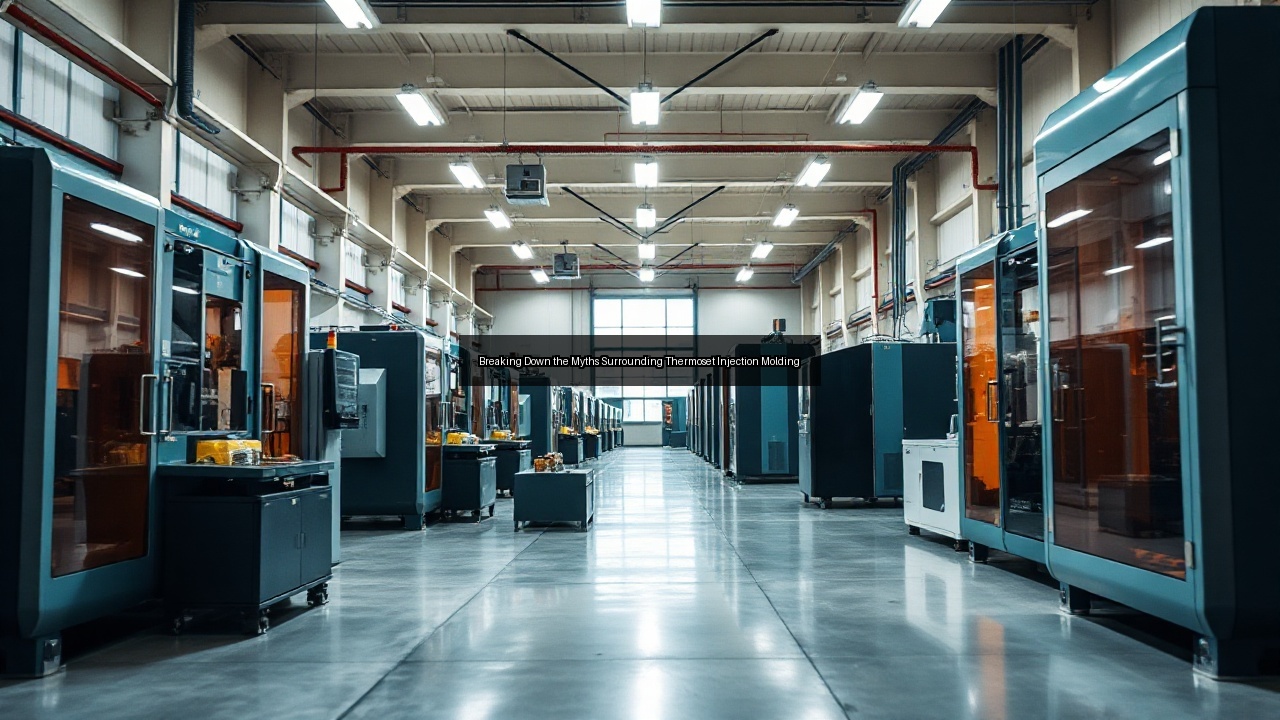
Understanding Thermoset Injection Molding
What are Thermosets?
Thermosets are a category of polymers that undergo a chemical change when cured, resulting in a rigid structure that cannot be remelted or reshaped. Unlike thermoplastic materials, which can be heated and molded multiple times without significant degradation, thermosets maintain their shape and properties after the initial curing process. Commonly used thermoset materials include epoxy resins, phenolic resins, and polyurethane. These materials are favored in various applications for their excellent heat resistance, mechanical strength, and chemical stability. Industries such as automotive, aerospace, and electrical rely heavily on thermoset injection molding due to these advantageous properties.
Comparison with Thermoplastics
Understanding the differences between thermosets and thermoplastics is crucial for selecting the right material for specific applications. Thermoplastics, such as acrylonitrile butadiene styrene (ABS) and polypropylene, can be melted and reformed many times, making them highly versatile for various plastics injection molding applications. In contrast, thermosets offer superior dimensional stability, thermal resistance, and durability once they are set. While thermoplastic injection molding allows for recycling and reshaping, thermoset injection molding presents unique advantages, particularly in high-stress environments where performance is essential. Therefore, both thermosets and thermoplastics serve distinct roles in the manufacturing landscape.
Key Properties of Thermoset Materials
Thermoset materials exhibit distinctive properties that make them suitable for numerous applications. They demonstrate exceptional thermal stability, meaning they can withstand high temperatures without deforming or losing mechanical properties. Additionally, thermosets exhibit excellent chemical resistance, making them ideal for applications involving harsh chemicals. Their low shrinkage during curing contributes to superior dimensional accuracy in injection-molded components, ensuring tight tolerances in production. Furthermore, thermosets are typically more rigid and strong compared to thermoplastics, which is crucial for applications that demand structural integrity. Understanding these properties helps manufacturers leverage thermosets effectively in various industries.
Common Myths About Thermoset Injection Molding
Myth 1: Thermosets Are Not Recyclable
A prevalent myth surrounding thermosets is that they are not recyclable. While it is true that thermosets cannot be remelted and reshaped like thermoplastics, this does not mean they lack recyclability. Emerging technologies are developing methods to recycle thermoset materials through chemical recycling processes, breaking them down into their constituent monomers. Innovations in recycling technologies are changing perceptions about the recyclability of thermosets. Some companies are even exploring upcycling options, transforming waste thermoset materials into new products. This shift not only enhances sustainability but also encourages manufacturers to consider thermosets in their designs without the fear of generating waste.
Myth 2: Thermoset Injection Molding is More Expensive
Many believe thermoset injection molding is inherently more expensive than thermoplastic processes. This misconception injection molding materials arises from the additional steps involved in curing thermoset materials, which may require specialized equipment and longer production times. However, when considering the total lifecycle cost, thermosets often provide better value in applications requiring durability and performance. The initial investment in thermoset injection molding can lead to lower maintenance costs, improved performance, and higher product longevity. Thus, while the upfront costs may appear higher, the long-term benefits often justify the choice of thermoset materials.
Myth 3: Limited Applications for Thermosets
Another common myth is that thermosets have limited applications. This belief overlooks the versatility and adaptability of thermoset materials across various industries. Thermosets are used in automotive parts, electrical enclosures, household goods, and industrial applications due to their strength and durability. As technology advances, new formulations are expanding the range of thermoset materials available, allowing for tailored solutions to meet diverse requirements. The expanding capabilities of thermosets challenge the notion of limited applications and highlight their potential in innovative designs and uses.
The Injection Molding Process for Thermosets
Overview of the Injection Molding Process
The injection molding process for thermosets involves several critical steps that differ from thermoplastic molding. Initially, the thermoset resin, often in the form of pre-mixed compounds, is heated to a specific temperature to ensure optimal flow characteristics. The resin is then injected into a mold cavity under high pressure, filling the space evenly. Unlike thermoplastics, the curing of thermosets occurs once the material is in the mold, where heat and pressure initiate cross-linking of the polymer chains, solidifying the structure. This process results in a final product with superior mechanical properties and dimensional stability, emphasizing the efficiency and effectiveness of thermoset injection molding.
Materials Used in Thermoset Injection Molding
Various materials can be utilized in thermoset injection molding, each offering unique properties suitable for specific applications. Common thermoset polymers include epoxy, phenolic, and polyimide resins. Epoxy resins are known for their excellent adhesion and toughness, making them ideal for electronic components and composites. Phenolic resins offer injection molding thermosets superior heat resistance and are often used in automotive applications. Polyimide resins provide outstanding thermal stability and chemical resistance, suitable for aerospace and high-performance applications. By selecting the right materials, manufacturers can optimize performance and achieve desired characteristics in their injection-molded products.
Advantages of Using Thermoset Polymers in Production
Utilizing thermoset polymers in production offers numerous advantages that enhance the overall efficiency and effectiveness of manufacturing processes. One significant advantage is the dimensional stability exhibited by thermosets during curing, which translates to high precision in injection-molded components. Thermosets also demonstrate excellent mechanical properties, making them suitable for demanding applications where strength and durability are paramount. Additionally, the resistance of thermosets to heat and chemicals allows for their use in harsh environments, ensuring longevity and reliability. These benefits contribute to reduced maintenance costs and improved product performance, solidifying the role of thermosets in modern manufacturing.
Future Trends in Thermoset Injection Molding
Innovations in Thermoset Materials
Innovations in thermoset materials are shaping the future of injection molding. Researchers are developing advanced formulations that enhance the performance of thermosets, including bio-based alternatives that reduce environmental impact. Innovations in nanotechnology are also being explored, resulting in thermoset composites that offer improved mechanical properties and reduced weight. These developments not only expand the capabilities of thermosets but also open new avenues for their application across various industries. As manufacturers continue to seek ways to optimize performance and sustainability, the evolution of thermoset materials will play a pivotal role in the future of plastics injection molding.
Sustainability and Recyclability Initiatives
Sustainability remains a critical focus in the industry, and thermoset injection molding is no exception. Companies are actively exploring ways to enhance the recyclability of thermoset materials and minimize waste. Initiatives include developing closed-loop systems for thermoset production, where scrap materials are reused in the manufacturing process. Additionally, advancements in recycling technologies aim to create effective methods for breaking down thermosets into reusable components. This shift toward sustainable practices not only addresses environmental concerns but also aligns with the growing consumer demand for eco-friendly products. Embracing sustainability will be crucial for the future success of thermoset injection molding.
ISO 13485 and Quality Standards in Thermoset Injection Molding
Quality assurance plays a vital role in thermoset injection molding, particularly in regulated industries such as healthcare and aerospace. ISO 13485 is a standard that outlines requirements for quality management systems in medical device manufacturing. Adhering to this standard ensures that thermoset products meet stringent quality and safety benchmarks. Compliance with ISO 13485 fosters trust among consumers and stakeholders, reinforcing the importance of quality in the production of thermoset components. As industries continue to evolve, maintaining rigorous quality standards will be essential for sustaining competitiveness and ensuring safety in thermoset injection molding applications.
See Also
- Exploring the Benefits of Thermoset Injection Molding for Industrial Products
- The Future of Recycling in Thermoset Injection Molding
- The Role of Thermosets in Creating Lightweight Automotive Components
- Unlocking the Potential of Injection Molding Thermosets in Modern Manufacturing
- The Rise of Thermosets in Injection Molding Applications